How to Improve Your Jiu Jitsu Guard Passing Efficiency
-

- 13 April 2026


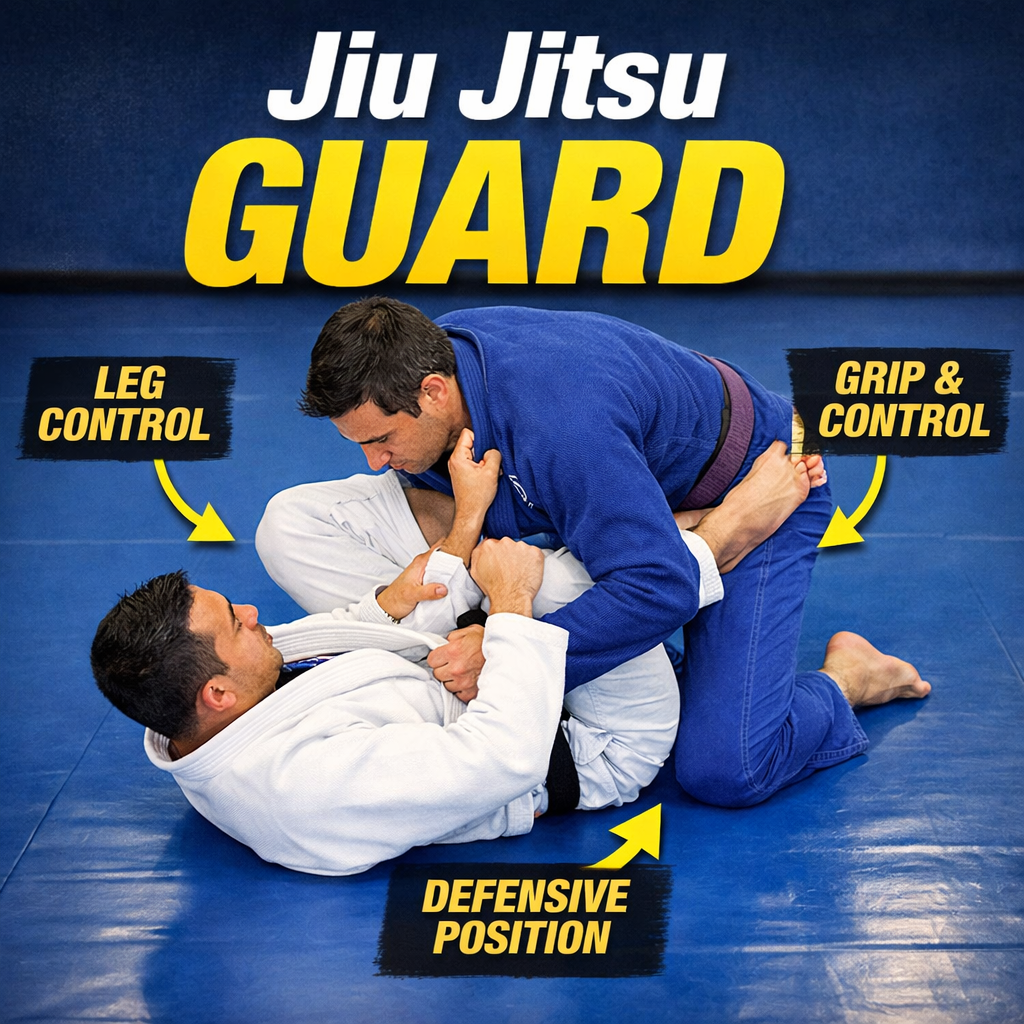
The art of Brazilian Jiu-Jitsu is often compared to a high-speed game of human chess. In this metaphor, the guard is the ultimate defensive fortification. For a practitioner on the top, the guard represents a complex series of puzzles, traps, and barriers that must be dismantled before one can achieve a dominant position. Guard passing is not merely about strength or speed; it is about the surgical application of leverage, weight distribution, and timing. To truly excel, one must view passing as a systematic process of neutralizing the opponent's weapons—their feet, knees, and grips—before advancing. Whether you are a hobbyist or a high-level competitor, improving your efficiency in this area is the fastest way to dictate the pace of a match. For those looking for specialized training environments, Piratebjj offers Jiu jitsu madison AL to help refine these specific technical nuances.
Before you can pass a guard efficiently, you must understand what makes a guard effective. According to technical definitions found on Wikipedia, the guard is a position where one practitioner has their back to the ground while attempting to control the opponent using their legs. The guard player's primary goals are to maintain distance, disrupt your balance, and look for sweeps or submissions.
To pass efficiently, you must first address the "four points of contact." These are usually the opponent’s two hands and two feet. If a guard player has all four points connected to your body, your mobility is severely limited. Efficiency starts with grip fighting. You cannot move past the legs if your posture is broken or your sleeves are controlled. By systematically stripping grips and "winning the feet," you create a path of least resistance. This analytical approach ensures you are not wasting energy pushing against a locked door, but rather finding the hinges and removing them.
Guard passing styles generally fall into two categories: pressure passing and loose (speed) passing. However, the most efficient grapplers are those who can blend both seamlessly.
Pressure passing relies on the application of weight and the elimination of space. Techniques like the over-under pass or the pressure-based knee slide require you to become "heavy." This doesn't mean just being big; it means focusing your entire body weight through a single point of contact on your opponent. By pinning their hips and shoulders, you take away their ability to shrimp or recover. This style is mentally taxing for the bottom player and requires less cardiovascular output from the passer, making it highly efficient for longer rounds.
Loose passing involves standing passes like the Toreando or the X-pass. Here, you use lateral movement to outpace the opponent's hip recovery. The key to efficiency in speed passing is "beating the knees." If you can get your hips past the line of their knees, the guard is 75% passed. This requires excellent footwork and the ability to change directions instantly.
Real efficiency is found in the transition. If a pressure pass is stalled, you immediately switch to a speed pass. If the opponent over-commits to stopping a lateral movement, you drop into a heavy pressure position. This "dilemma-based" passing forces the opponent to constantly reset, eventually leading to a mistake that you can exploit with minimal effort.
Modern Jiu-Jitsu has seen a massive shift in how the guard is approached, particularly with the rise of leg entanglement systems and specialized open guards. Staying updated on these trends is vital for any serious student. Recent reports on Google News regarding professional grappling circuits highlight how top-tier athletes are now focusing heavily on "hip tracking." Hip tracking is the ability to keep your center of gravity aligned with the opponent’s belt line, preventing them from off-balancing you.
Furthermore, professional insights from Forbes often discuss the importance of "deliberate practice" and systems-based learning in high-performance environments. Applying this to Jiu-Jitsu means you shouldn't just "roll" to pass; you should enter every session with a specific goal, such as "winning the inside position" or "maintaining a staggered stance." By breaking the pass down into micro-goals, you reduce the mental load and increase your physical efficiency.
Improving your guard passing efficiency is a journey of refinement. It requires a balance of technical knowledge, physical attributes, and the strategic wisdom to know when to push and when to pivot. By focusing on grip dominance, understanding the mechanics of weight distribution, and staying adaptable between pressure and speed, you will find that even the most stubborn guards begin to open.
Remember that the best way to improve is through consistent, high-quality instruction and a community that pushes you to be better every day. Whether you are just starting your journey or looking to take your top game to a professional level, finding the right academy is crucial. Piratebjj offers Jiu jitsu madison AL, providing the structured environment and expert coaching necessary to turn these concepts into muscle memory. Step onto the mats, embrace the grind, and start dismantling guards with precision and ease.
0 Comments